
The Seventh Echo: What Gets Passed Down
A small hand holding a smaller one.

I learned early that protection doesn’t feel like courage.
It feels like responsibility arriving before you’re ready.
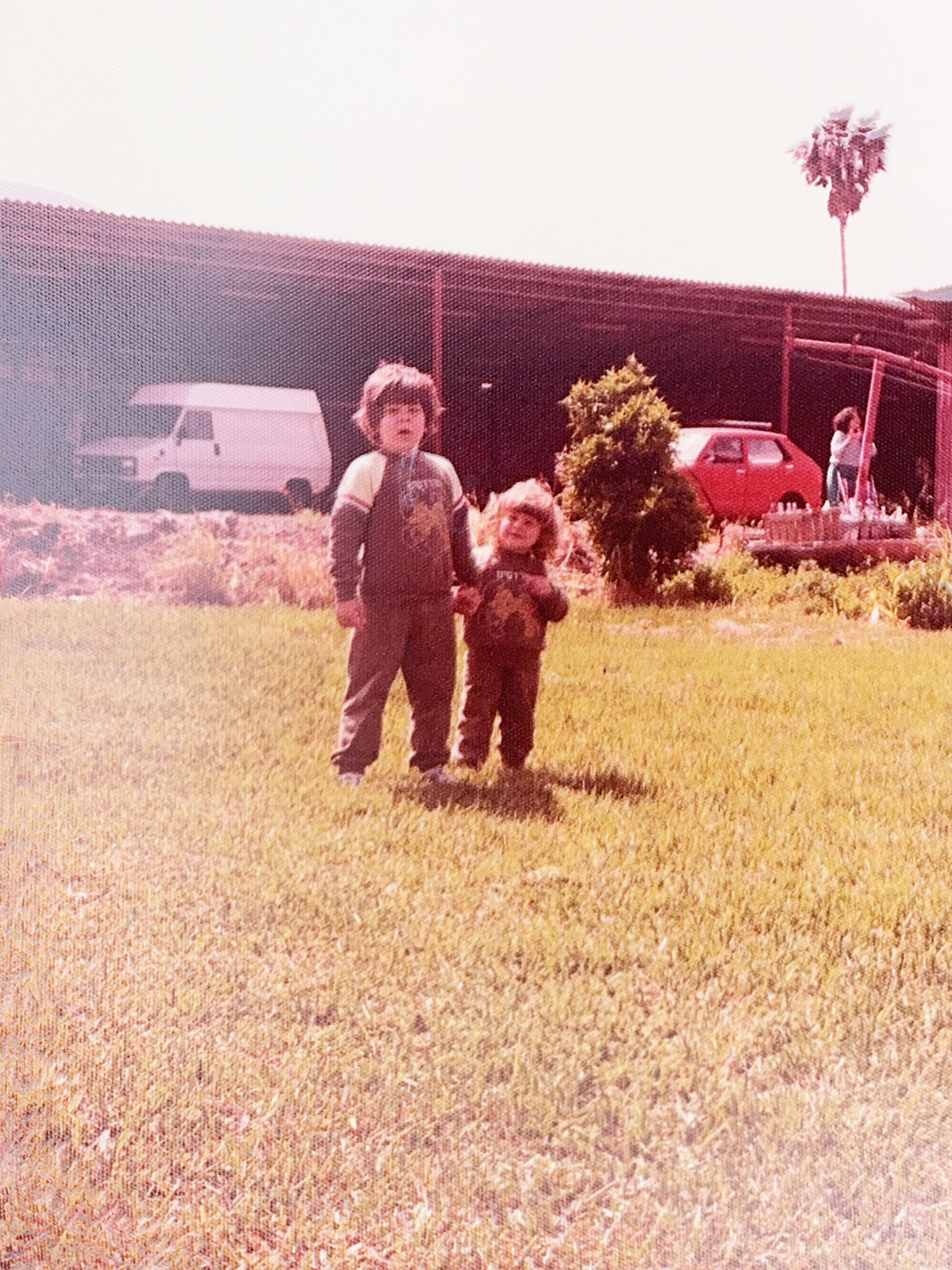
When I was eleven, my younger sister came home upset. She was eight. An older kid at school had been harassing her—calling her names, mocking her for being Polish, for being pale, for not being a “real” Israeli. She tried to brush it off the way younger siblings do when they don’t want to worry anyone. But something in her voice was off.
Later, I learned he had spit on her.
That detail landed differently.
It wasn’t teasing. It wasn’t kids being kids.
I went to find him.
When I confronted him, he didn’t apologize.
He puffed up. Took a step toward me. Raised his hands like this was how things were going to be settled.
So I settled it.
I don’t remember thinking. I remember moving. I remember the heat in my chest and the certainty in my body that this wasn’t optional. That whatever happened next was already decided.
We fought. It was messy and fast and very public.
And then it was over.
I got in trouble, of course. Called into the school office. Adults talking at me in that flat, disciplinary tone meant to shrink a situation back into order. There were rules. There were consequences. There was paperwork.
I don’t remember much of what they said up until that point.
But I remember my father showing up.
He listened quietly. Asked a few questions. Then, calmly, he said that I had done the right thing.
Not loudly.
Not proudly.
Just firmly.
As the principal said I was going to be suspended, my father politely stopped her and asked whether the other kid was being suspended as well.
“The other kid is in the nurse’s office being tended to. Your son is fine,” she said, a bit annoyed at having to explain herself.
My father took a beat, then replied.
“My son is not going to be punished for defending his sister and then himself against a kid who has been bullying her for weeks.”
He continued.
“You failed to protect my daughter from this kid. When my son approached him to tell him the bullying was over, he swung at him.”
The principal opened her mouth to speak, but my father continued, as if she wasn’t even there.
“My son will be back at school tomorrow. If he is sent home, I expect to learn the other kid was sent home as well, or I’ll be back in your office every day until this is under control.”
He grabbed my hand and led me out of the office. Steady. Certain.
He didn’t celebrate the violence. He didn’t scold me for it either. He understood the difference between aggression and protection. Between starting something and finishing what someone else had already begun.
I didn’t feel brave that day.
I felt responsible.
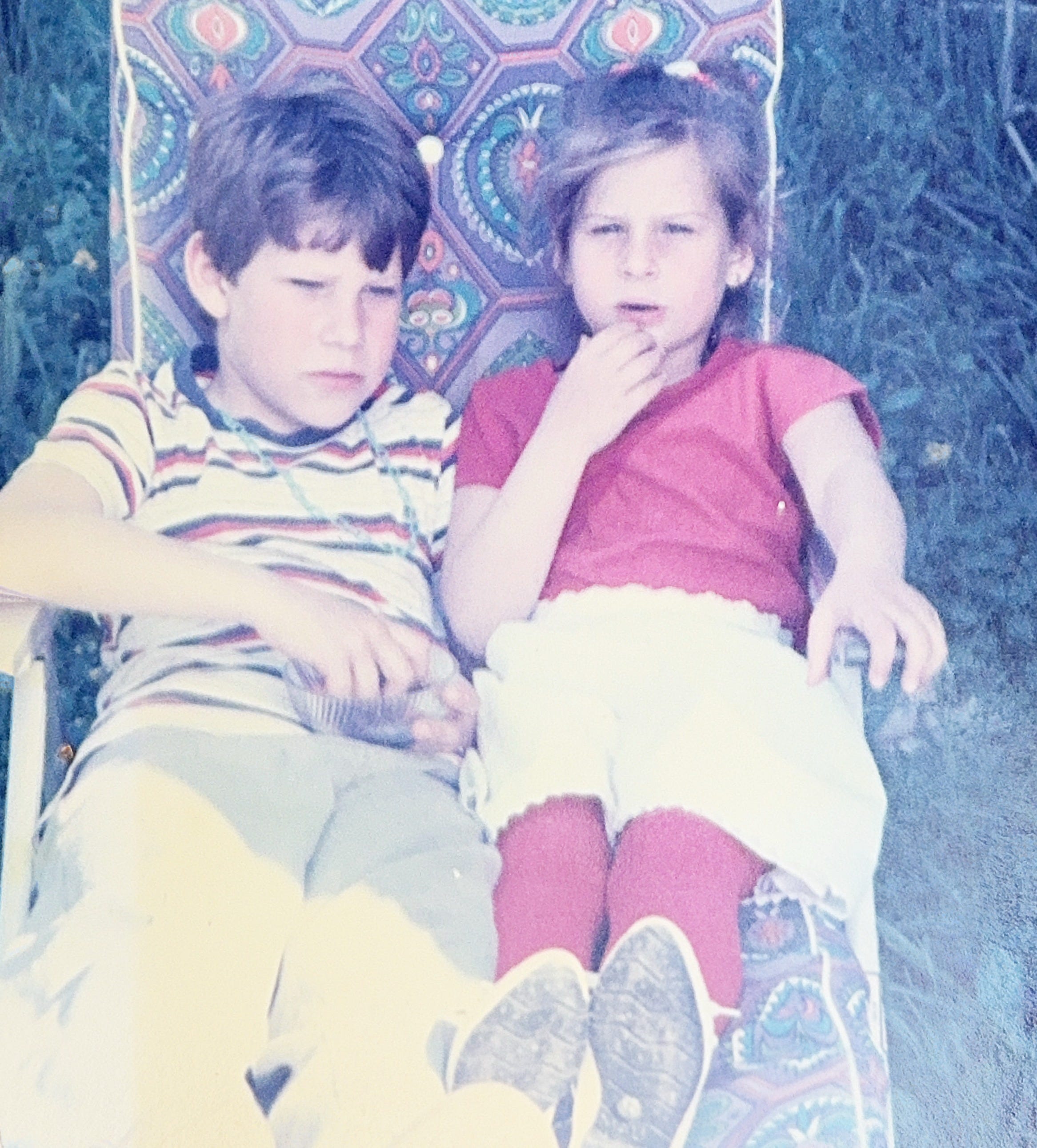
That feeling was familiar to him.
He had learned it as a child. Not on a playground, but in a country where noticing danger too late could cost you everything. Where protecting someone smaller meant staying alert, staying ready, and stepping in without hesitation.
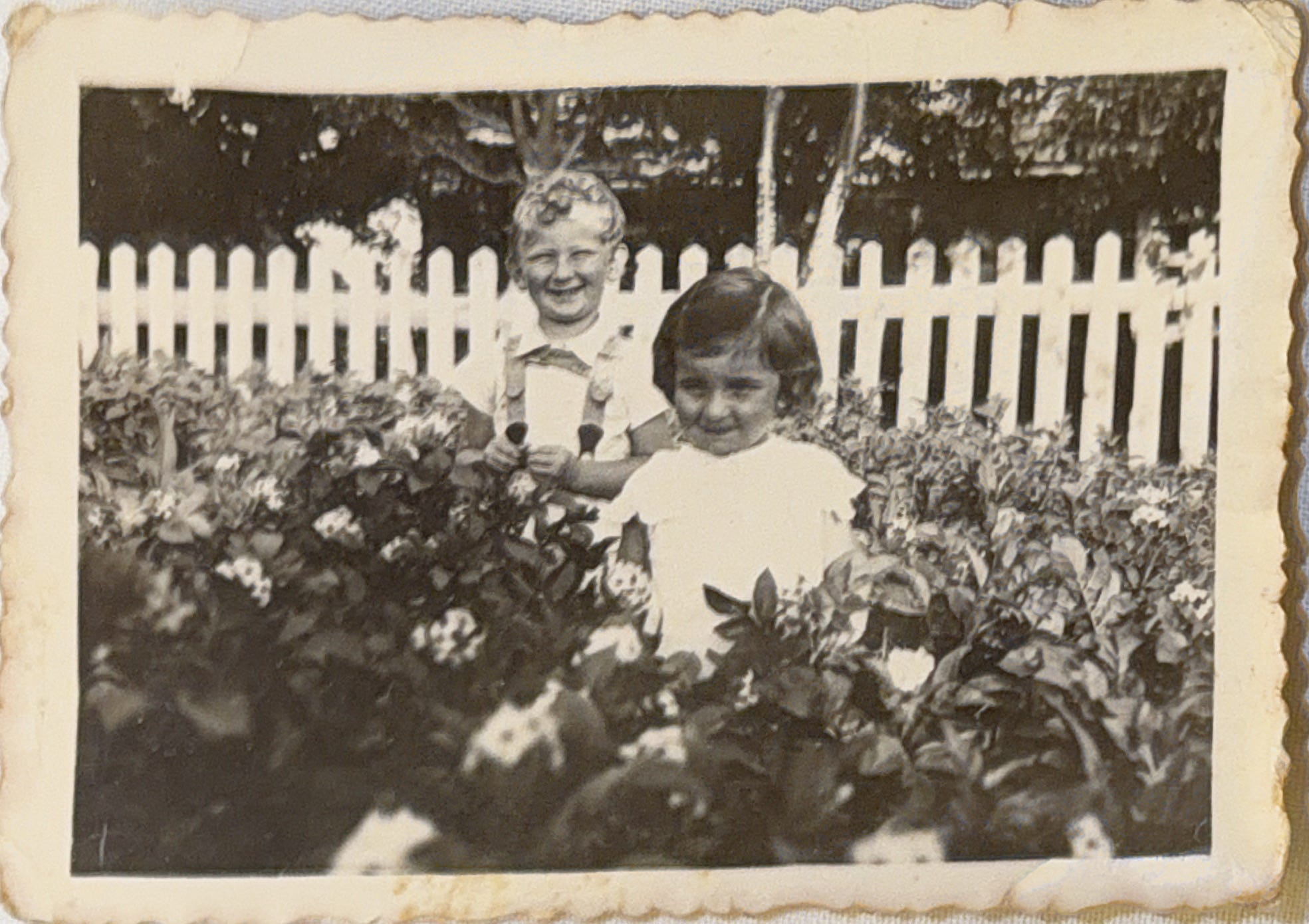
I didn’t know that yet. I just knew that when it mattered, my father didn’t ask me why I fought.
He knew.
And somehow, so did I.
What I didn’t understand then was that protection, once learned, doesn’t always know when to stand down.